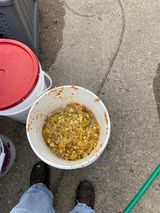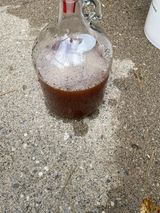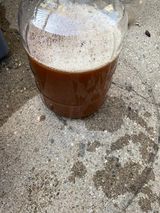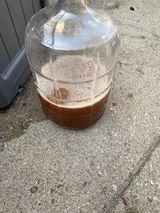
cider

Meet the Apples

For those who have done my varietal v blend class or just want to know more about the apples I am using or hunting, please see below.

First off, there are few systems to classify apples. One of the more frequently used one is the LARS system (Long Ashton Research System). Imagine two axes, one for acid, and one for tannin. The prefix “bitter” means high in tannin. High in acid is sharp and high in sugar is sweet. Under this system, we get four types of apples, bittersharp, sharp, bittersweet, and sweet.
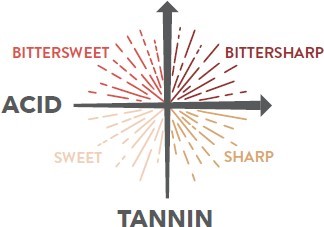
Different styles of cider want different apples but normally some of each is desired but the “best” ciders often use bittersharp apples.

Traditionally, true cider apples are hard to find in the US. While our colonial ancestors brought some cider apples, prohibition made them unfavorable. Then also most apples are used culinarily. Culinary apples are very different from cider apples. Modernly, most cider apples will be committed to cideries, making it difficult for hobbyists to get some but it is not impossible.

In my 2022 experiment, I was able to source apples local to me.
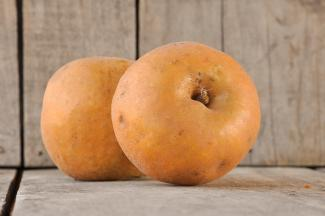
Ashmead Kernel

Fortunately a retired orchardist from the University of Illinois bought farm near me and sells his apples at the Farmer’s Market. I was able to get 1 bushel of these from him. Ashmead’s are reasonably high in acid. Tasters noted a bit of a “metallic” taste in the middle of palate.
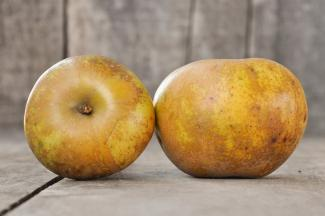
Roxbury Russet

Another high acid apple but with a little better tannin than the Ashmead. It gave a very clean but tasty cider.
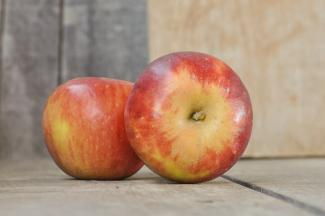
Winesap

Gertie’s favorite apple. Winesaps are generally sweet apples but firm. They have a lot of uses around the kitchen and are fairly aromatic. The cider however was just okay. Watery, but not much like cider.
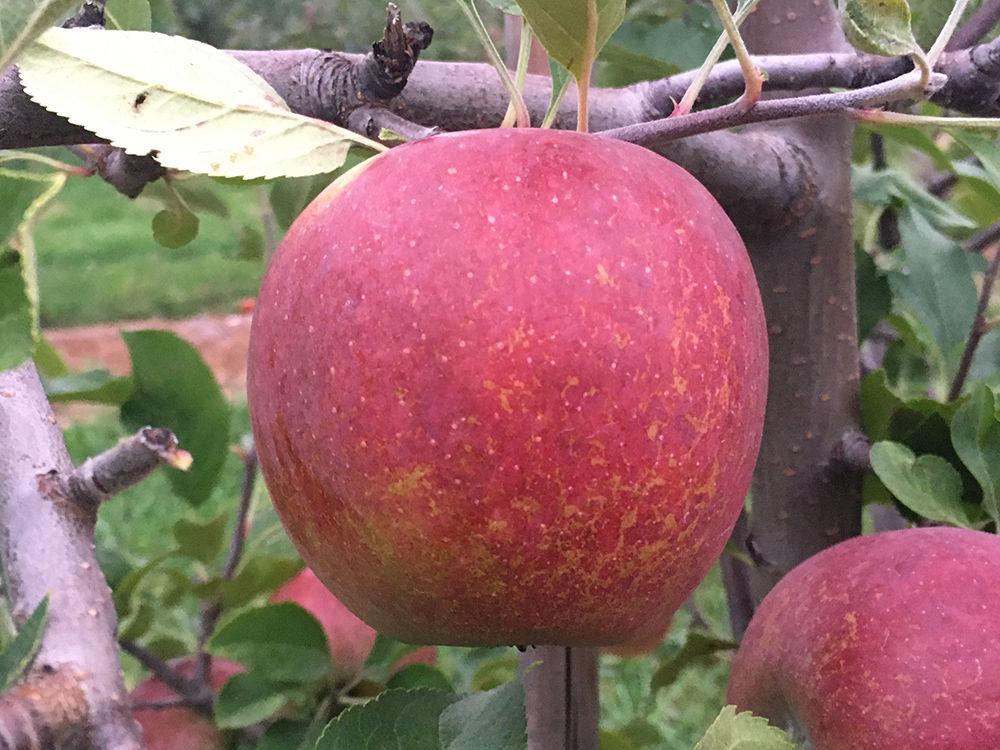
Winecrisp

Unrelated to the Winesap, the winecrisp is a modern hybrid. It stores well and has good aromatics. But like the winesap, the cider was virtually the same as the winesap and much like water.

That said, the blend of 25% of each was pretty good!

My next steps are to try to get actual cider apples. First, I will buy more from my local person. Ashmead, Roxbury, Sundance, and Winesaps I think.

I am looking for sources for Dabinett, Somerset Redstreak, Kingston Black, White Pearmains, Medaille d’or, Michelin, and any red fleshed apples I can find.

If I can find Somerset Redstreaks, this would be pretty darn close to what a late period cider would have been like. White Pearmains are the oldest English apple we have reference to. I will also be looking to do keeving and perhaps pet nat for sparkling.

Another experiment would be to try to find the terrior. The same apple from different places, can we taste the difference? Let’s find out.
cider

Thoughts on CiderCon

This past week (today is 2/4/2023 at the time of this writing), I attended CiderCon in Chicago. This is an industry focused convention for cider professionals by the American Cider Association (ACA). Here are my thoughts.

The event was heavily industry focused and I knew that going into it. While I was welcome to attend as an enthuasist and homebrewer, it was not going to be about either of those things. So I knew that and accepted it. Anytrhing I gleaned from it would be by me using my knowledge to distill it from the industry focused material given.

First up, it was clear that diversity was wanted and desired. Two prominent sessions were for a BiPOC meet and greet, and a Pride meet and greet. There were ribbons one could chose to indicate those statuses and the opening slide for the keynote speaker was “Cider is for Everyone.” The crowd skews mid 30s and the customer base is younger so it makes sense to stress this. The message was clear; this is a place for diverse peoples and you will be hurting yourself financially if you don’t embrace that.

While the SCA and ACA are born for different purposes and at different times, this is something the SCA could learn from the ACA (and other organizations), put diversity first. The SCA is not good at this. Sure it cherry picks its marketing photos to show diversity (minimally) but it hides from larger initiatives. The DEI scandal is a prime example. So, embrace diversity SCA. Stop making excuses for why or what; just do it. Make it a priority and in your face.

One thing the ACA could have done better is connecting its newer members. This is something they could learn from the SCA. I felt like an outsider the whole time. In part, because I am not part of the industry but in part because I was a new person and there was very little effort to connect me in. Some sort of ambassador program would be nice here. Get a group of volunteers that know a bunch of people and are willing to approach new comers. Many of us newcomers had ribbons to identify ourselves. Those volunteers would then approach the newcomers, learn a little about who they are, and make introductions to a variety of people for them. There was one newcomer session but it was heavily industry focused. It was like speed-dating but it was on business subject matter. A more socially oriented newcomers session would have been good for me.

I attended several sessions to expand my palate and knowledge. Again, I had to listen to find the information that would apply to me as a homebrewer. And I did find some. But more importantly, I think I learned that becoming a pommelier would be difficult for me. There were many characteristics for the ciders that I just didn’t get. It is a bit like the pope in the joke about art, “I make not know much about cider, but I know what I like.” Again, this was useful information to know. It will take a lot of time to train my palate to understand these flavors. I am not sure it is worthwhile.

Another thing that was prominent at CiderCon was the idea that cider is more akin to wine, or at least they want it to be. All of the cider was served in stemmed glasses. Much of the terminology about cider is borrowed from wines. Much of the processing is more like wine. But in true, cider currently occupies the middle space between beer and wine for consumers. Historically, it has moved all over the map; being cheap and fancy, wages earned and wages substituted, common and noble. At the moment, it is increasing in popularity. Making the producer and consumer associate it with wines is good for the industry because you can command a higher price point.

Personally, I prefer my cider in a pint glass or a pint can. I would rather see it as a fancy beer/ale and less of a diminished wine. I want it to be accessible and fun. I want it to be something to you enjoy with a bunch of friends eating burgers and wings. But the more consumers can see how versatile it is, the more market share it should command.

Was this worth it? No, not really. I made no lasting connection with anyone. I learned a few things so it was not worthless. But given what I gave in time and money, I didn’t get my value. If I were a small cidery, would I have gotten more value? I think so. There several sessions about the selling of cider that would have been of interest. Would I do it again? Not without being in the industry for some reason. I spent nearly $2000 for 4 days of this. With so little about the hobby side of this, I can’t justify that kind of money again. I am not sorry I went. but I don’t see going again.

I did taste some interesting ciders and got some inspiration for doing new things on my own. I accidently sat near the featured author at the convention for two sessions. So eavesdropping on his conversations gave me some interesting insights. I met someone from Angry Orchard and again, listening in on his conversations were interesting. I met someone from Bauman Century Farms (and Cidery) and tasted some excellent ciders from this 5th generation company. So it got something out of it.

cider

The next cider project (s)

One of the takeaways from Cidercon for me was using some historical techniques. The challenge with medieval ciders is while we know they existed (Palladius from ~400 AD, et al. forward tell us about them), we don’t know much about how they were made until nearly out of period. There is a French treatise about cider from the mid to late 1500s and the earliest English equivalent is Worlidge in the mid 1600s.

Sparkling cider is only documented in the mid 1700s. So what follows is a very modern cider but using late medieval technique.

The first technique I want to try is pet nat. Pétillant Naturel, pet nat for short, is a modern name for what is called the technique ancestrale, which the fancy French word for most of us call “bottle conditioning.” To any brewer, bottle conditioning is nothing new or unusual. However, there are some unique steps that pet nat uses. Pet nat can be traced to 1531 when the champagne technique was first documented. There is no evidence that cider used it then but cider does use it now. In most ciders, you ferment the cider dry, then add a few brix of fermenting must to the bottle, cap, and store. Cider actually does well to keep on the lees as the interaction of alcohol of lees produces some interesting flavors. The bottles are stored as tirage (tier-age), that is, on their sides for a few months to allow the carbonation to happen.

The other thing I might do is keeving. Keeving is an old French process for making cider. The cider is allowed to wild ferment and some of those microbes interact with the pectins to make a chapeaux brun, brown cap, that forms a barrier to the outside air. This is normally done as “low” temperatures, ~ 50 degrees F. The yeast ferment slowly and eventually run out of nutrients and die. They will therefore leave some sugar in the must. With enough knowledge of the sugars present and potentially added, you can calculate the pressure in the bottles. Keeving was definitely done medievally for many centuries in Normandy and Brittainy.

Where the two ever combined? Probably not. But I intend to 🙂 I will be adding a Norman to Oswyn’s family tree. Not unusual for any English person after the conquest. But that would bring some of these French techniques to Oswyn Swann’s manor.

The hardest part of this experiment will be getting ahead of the right apples. That might be impossible. But I think I can find a reasonable substitute. Assuming I can do this in the Fall, it might be ready for Better War or Chamfron in 2024.

cider

A Pressing Matter

On Oct 16, I was supposed to have an apple pressing day where I invite the Shire over to learn about cider and do some apple pressing. But since it was my last day of quarantine, I was on my own.

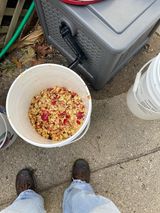
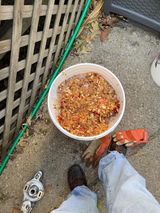
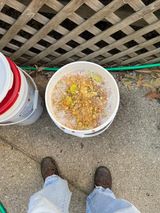
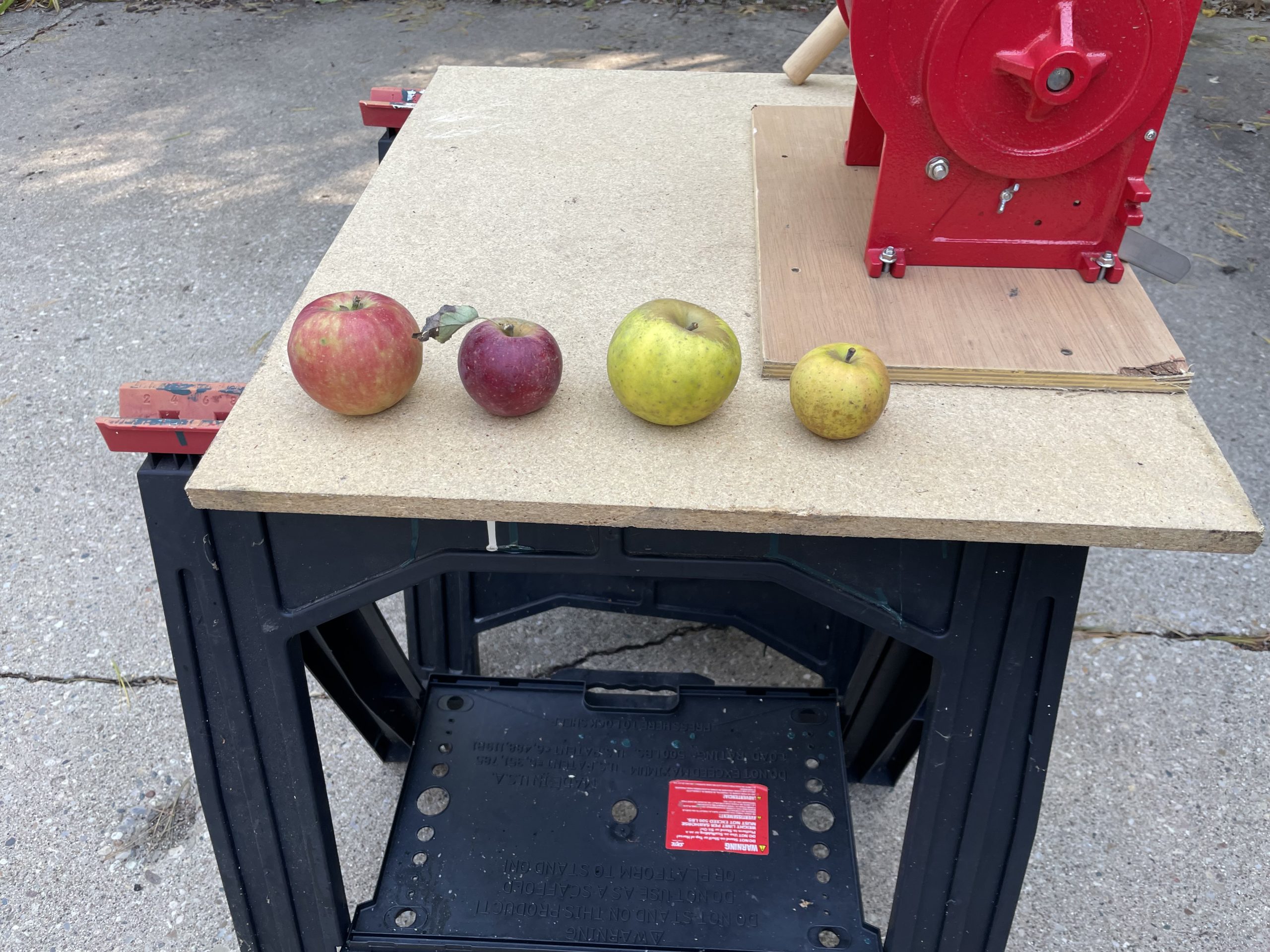
I have 1 bushel of Winesaps (left), 1/2 bushel of winecrisps (left-middle), 1 bushel of roxbury russets (right-middle), and 1/2 bushel of Ashmead Kernals (right). I wanted some unusual apples this time around and as old as I could find. The Ashmeads and Roxburys are those. I like Winesaps so that was a natural. And my apple guy had these winecrisps which are related to the Orange Pippin, not the winesap!

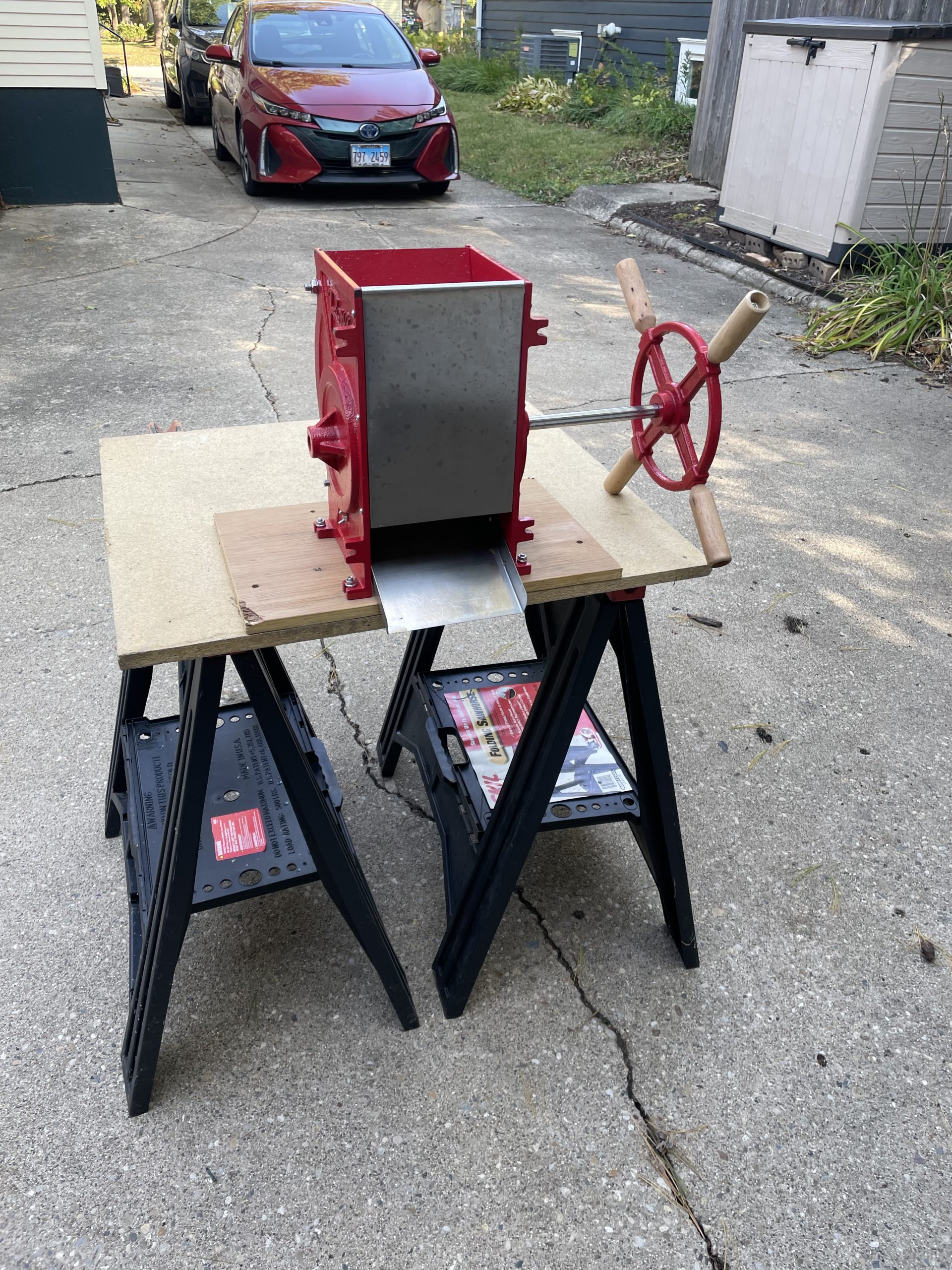
I knew the Winesap would be my juiciest apple but I thought I would get some good acid and tannin from the Ashmeads and Roxburys. I was averaging about 1 hour per bushel by myself. That was too long. The Winesaps did okay in the mill. The Roxburys turned to mush. The winecrisps were too hard and caused the gears to slip. The Ashmeads did okay.

Then I had to press them. I didn’t get nearly enough juice. On average, a bushel should produce ~ 3 gallons of juice. I expected some variation but not this much! The ashmeads made ~ 1.2 gallon. The winecrisps about 1 gallon. The roxburys only about 1.5 gallons. And the winesaps were about 2 gallons. I was expecting about 6 to 9 gallons in total, not ~ 5 gallons.

With clean up, I was out there for about 6 hours. My back, arms, and hand were sore from turning the various cranks. I still have to take SGs and add the yeast to do what I want. I half way decided to give up on mixing and matching. I was expecting at least a gallon from the 1/2 bushels so I could make a few blends.

As it is, I can make 1 750 ml of each varietal, then maybe 1 mix with the ashmeads as 0.5 of the bottle, then smaller mixes. It will have to be what it is.

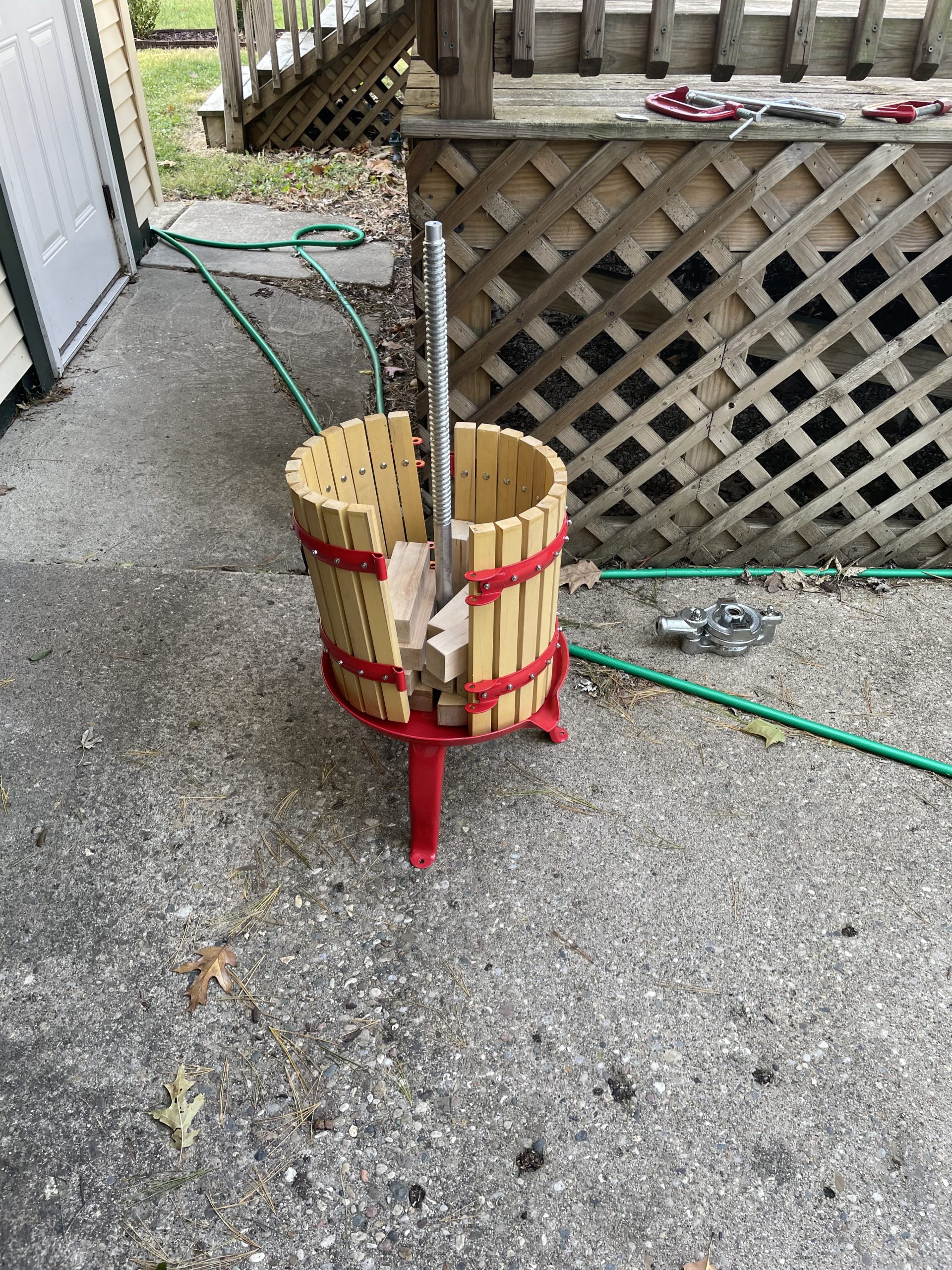
I then found a better crusher and press. The better crusher uses teeth that rotate into each other, tearing into both sides of the apples! And the hopper can deposit straight into the basket press! The problem with my current basket press is the pressing blocks wander as the big metal screw jack rotates. Better presses I have seen the screw jack is affixed to a wooden block that presses down on to other blocks. It is much more stable. I can certainly spend more money!

cider, SCA Life

The Terror of Terrior

With looking at activities in the SCA, there is often a strong desire to go back to whatever was available in the medieval era. The idea is if we want to know what they had or did, we have to do it as they did it and with whatever they had. We will often not be able to. It might actually be impossible. It might be too expensive. It might be too time consuming. But it might be possible and if nothing else, shows what an object would have been like.

However, for some items, it doesn’t hold meaning. I am in favor of stepping back and I have done so with planting my own apple trees. Is there any meaning with planting period apples, assuming I could find such a thing?

I was asked recently if I have tried making cider with period apples. The answer is no and the answer is also that it would not tell us anything. The reason is terrior.

Terrior is the expression of the land and environment in fruit. It is most often discussed with grapes. Other items exhibit it as well, coffee and tobacco, for example. And apples.

To explain it with examples, let’s take grapes. Pinot Noir is grown in several places around the world. Originally in France but also in California, Chile, and Australia. Does a bottle of wine, of the same grape, from each of these places taste different? Yes and to an expert, very different. Different enough that you wouldn’t recognize it as a Pinot Noir? Potentially. The composition of the soil is different in all of those locations. The amount of sunshine. The chemical composition of the water. But it is more than just a different continent. Vineyards located only a few miles from each other can also yield different flavors in the fruit.

But the land itself is just one part of it. There is a difference between the same grape in the same place but at a different time. Some years are “good” years. Some years are “bad” years. You can taste the difference of a bottle of wine made in the same vineyard but a different year. Again, the amount of rain, the amount of sun, the amount of heat, the number of pests, etc can all influence the flavor of the grape from year to year.

We also have to consider the evolution of yeasts, even of wild yeast.

Apples also exhibit terrior. According to a cider podcast I listen to, the same apple variety, grown just 20 miles away from each other, have a detectable different in terrior. With the nature of apples, apples of the same variety is often closely genetically related to each other. To reproduce the same variety, you cut a scion from the tree you want to grow more of and graft it on another rootstock. Many of the rare varieties are actually just cuttings from the same few trees. So, where you grow the apples has a huge influence on what the apple tastes like.

Let’s say I could get White Pearmains to try to make Norman cider from ~1200 AD. I could get those apples here in the US. Is the cider I make close to what the 13th century Normans made? Probably not. The climate is not the same. The soil in the US is not the same as the soil in 13th century Normandy. Even if I could get apples from Normandy, I am not necessarily making something similar to a 13th century Norman cider. As I have said above, even apples of the same variety only 20 miles away yield different flavors. It is likely closer but not guaranteed. I might make something that is similar to a “bad” year in 13th century Normandy.

This is why I say it is not meaningful. With the science of cider being what it is today, we have a good idea of what would make a good cider and what kind of apples a region might have. As long as we select apples with those qualities, then we are making a cider that is in the style of a historic cider. “Heirloom” apples are higher in tannins and closer to bittersweet and bittersharp apples. But taking the modern descendent of heirloom apple doesn’t necessarily help us because we can’t make the climate and soil conditions match back then.

Does that mean I won’t do it? No. I will likely at some point get period apples and make a cider from them. But that doesn’t make it a more authentic period cider because there are too many other factors that can’t be controlled.

I think it is more important to know what kinds of apples and what kind of process was used to make a cider in a given place.

cider

I am not a brewer

Early in my alcohol making career, word reached me that a friend had said that I was not a brewer. I took it as a slight. I made cordials at the time. I may have made a mead or two. I wanted to be part of this group. My friends adopted me and I wanted to give back and be part of them. To be called, “not a brewer” to me, then, meant I wasn’t part of that community.

In the learning more about cider and vinegar, it turns out that I am not a brewer. And that is okay.

We tend to use the word casually. Anyone who makes alcohol could be a brewer. But technically, a brewer is someone who brews, like we use the word for brewing tea. Someone who applies heat to change starch to sugar to ferment. I don’t use heat. Cider doesn’t need it. Mead can use heat, and often does, but it doesn’t absolutely need it. Heating the water makes dissolving the honey much easier.

So far, I haven’t found a medieval word or guild for making cider. The making of cider is very much akin to making wine. So while vintner applies specifically to wine, until I find a better word, vintner is good enough.

I want control of what I make and I need to make it affordable. I ordered my own trees.

I ordered these two, listed as cider apples

https://www.starkbros.com/products/fruit-trees/apple-trees/franklin-cider-apple

https://www.starkbros.com/products/fruit-trees/apple-trees/orleans-antique-apple

I also ordered Stayman Winesap because my wife loves them and they make a nice “spicy” addition to cider. I ordered a honeycrisp as a neutral apple and a pollenator to the other trees.

With the trees, I feel I have made as much of a step back as I can. I will have the trees, I can press the juice, I can ferment the juice, and make vinegar if I desire.

Since I should have plenty of apples, I can mix and match to my heart’s desire. I do lack a cellar though and we will have to see what we do about that.

cider, Persona, SCA Life, Vinegar

Making a Vinegerie – part 5 The mottos

When I was eligible for my arms, I really wanted mottos as well. So I have been paying attention to things I said often or things I wish I said and testing them out. I settled on three.

Raedas gewillum fiðraþ literally is “(Wise) Counsel gives feathers to my will/wish. In Old English, the word for feather and wings are the same, fithrath. What I am trying to say is “Plans gives wishes wings.” It was the closest I could get. I like to plan and by planning, I can make my wishes come true.

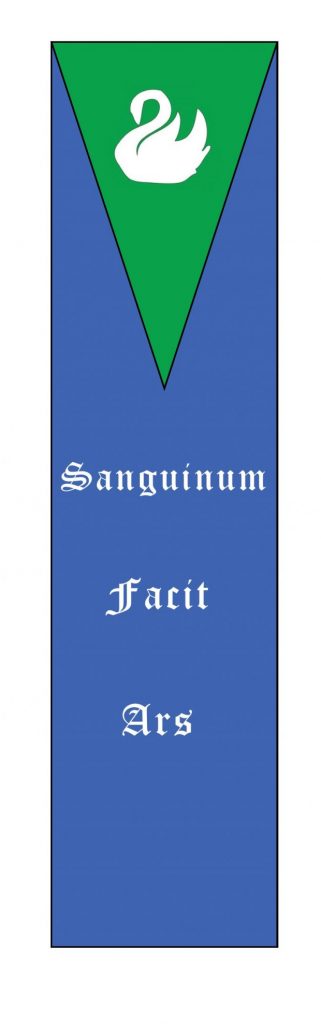
Sanguinum Facit Ars is Blood makes art. Again, what I say as a glass artist is “it isn’t art until you bleed on it.” Pithy in English; torturous in Latin. This is much more simple.

Lastly, I wanted a motto for my pub. When I was researching Medieval Guilds, I came across the Worshipful Company of Vinters.
https://en.wikipedia.org/wiki/Worshipful_Company_of_Vintners

https://vintnershall.co.uk/the-company/

This was perfect! They are responsible for the swan-upping so that fits. The Vinters are responsible for all wine and wine products so vinegar falls in that. They were formally established in 1363 and are among the 12 great liveried companies of London. Oswyn Swann surely was a member.

Above is the full coat of arms for the Company. Much of it was granted later than SCA period but it is perfect but I certainly didn’t want to steal it. Pay homage though, that I can do.

The motto of the Company is Vinum Exhilarat Animum – Wine Gladdens the Spirit.

Since my device is a swan already, I went with this.

The Azure Swan as the pub name and Swann’s Sundries for the store front.

The motto Vinum Exhilarat Amici – is in homage to the Worshipful Company. It is Wine Cheers (our) Friends!

The canvas banners will be finished this weekend and I will start on the silk banners shortly.

cider, SCA Life, Vinegar

Blueberry cider

I finished the first round ciders. I set aside 16 oz bottle of each to be a sampling kit for my cider class. I then took ~ 1/2 gallon of one to make into vinegar. This is part of the “step back process”. The rest are for general consumption of my gaming group to improve what I am doing.

What do I mean by “step back”? I mean “can I take this process and make it a step closer to period practice?” Doing the Orleans Process on my apple ciders is a step back. Making my own alcohols verses store bought is a step back. There aren’t a lot of step backs in vinegar making. Once you are growing your own fruits and making your own alcohols, that is about it. I guess you could try to reverse breed back to a medieval strain of fruit. I suspect that is very hard and unless you can go back to Europe and figure out how to reset the soil chemistry 1000 years, you have made a close as you can get.

I started a new cider to make a blueberry cider. I think I have frozen cherries and raspberries I need to use too. Just like when I started cordials, I am in the “let’s play with this” phase. Make a ton of variants to see what I like and what works.

I still need to make “Froderick’s World Hopper” Perry. That is a goal. French pears and Indian spices. Looking at cardamon and vanilla I think.

cider

Ciders coming along

Over the past few weeks, I have made about 5 gallons of cider. I will be doing a 101 history and tasting class on this and probably start it at Chieftains in February.

So far I have:

  • Cider made from Old Orchard Apple Juice Concentrate
  • Cider made from Louisburg Honeycrisp Cider (so sole source of apples)
  • Cider made from my local orchard’s sweet cider
  • Cider made from local orchard plus apricot juice
  • Cider made from local orchard plus peach juice
  • Cider made from Old Orchard plus pineapple juice

All of the ciders are ~6 to 7% ABV.

I have tried to backsweeten them but a few apparently still had live yeast in spite of a healthy dose of camden tablets. So I will have to cold crash, rack, and try to backsweeten again.

I have tasted all of them. You can make a surprisingly good cider from Old Orchard Concentrate. That makes it really cheap too. I calculate it at ~%0.67 per pint or ~$0.50 per 12 oz bottle. Using sweet cider from my local orchard comes in at ~$0.66 per 12 oz or ~$0.88 per pint. One of my local bars sells that same thing, a cider made from the very same local orchard’s sweet cider at $5.00 per pint.

My friend CJ recently went to his local orchard and bought apples to make a great cider. I am not sure how much he paid for his apples though. Pricing apples at my local orchard would come in at ~$1.50 per pint for “standard” apples.

So a local friend of mine apparently has apple trees. Still trying to figure out what they are. Maybe Early Crisps based on when they are ripe. So free is a great price for apple cider 🙂 That is next year’s project.

cider, SCA Life, Vinegar

From A to V – cider and vinegar

Sometimes when someone asks me about vinegar, I mention how there isn’t much depth to it. It is a basic ingredient. It is like flour. Yes it is from time immemorial. You could get that special volcanic rock from Germany to grind the grain. But past that, it is grain ground down into a powder.

Vinegar is much the same way. It is a bacteria eating alcohol. It is hard to make it more complicated. Like varieties of flour, you can make it from a lot of different alcohols but at the end of the day. it is what it is.

Compare to one of my other hobbies, paper making. Paper making is also simple. But it has depth. This culture used this fiber, beat it this way, and cast it using these materials. A different culture used a different fiber, beat it a different way, and cast using different materials.

To add depth, I need to backtrack how the base materials are made. I don’t mean research, I mean agriculture. I have one example where I made the wine from canned wine grape juice. I was thinking of planting grapevines but grapes are picky. I then moved to ciders and apples. Apples come in faster and I can specify the variety grafted to rootstock.

But then I discovered that a friend of mine has apple trees and pear trees.

Still trying to identify the types. I have asked the Illinois Extension but no answer so far. I will keep hunting though.

I can take the apples, press them into sweet cider, make a hard cider, then make a vinegar. That is about as much depth as I can do with vinegar.

Actually, I can take it one more step. I have made a faux balsamic vinegar with Pinot Noir. I can do the same process with the apple cider vinegar.

So that is the plan. That is as complex as I can make vinegar. Starting with fruit, make the alcohol, make the vinegar, and reduce it to something like balsamic. Give me a year.