For those who have done my varietal v blend class or just want to know more about the apples I am using or hunting, please see below.
First off, there are few systems to classify apples. One of the more frequently used one is the LARS system (Long Ashton Research System). Imagine two axes, one for acid, and one for tannin. The prefix “bitter” means high in tannin. High in acid is sharp and high in sugar is sweet. Under this system, we get four types of apples, bittersharp, sharp, bittersweet, and sweet.
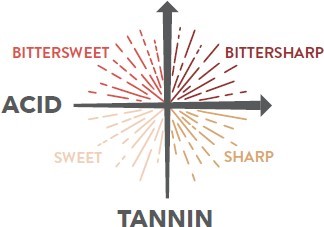
Different styles of cider want different apples but normally some of each is desired but the “best” ciders often use bittersharp apples.
Traditionally, true cider apples are hard to find in the US. While our colonial ancestors brought some cider apples, prohibition made them unfavorable. Then also most apples are used culinarily. Culinary apples are very different from cider apples. Modernly, most cider apples will be committed to cideries, making it difficult for hobbyists to get some but it is not impossible.
In my 2022 experiment, I was able to source apples local to me.
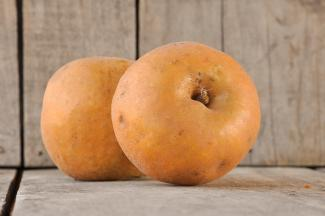
Fortunately a retired orchardist from the University of Illinois bought farm near me and sells his apples at the Farmer’s Market. I was able to get 1 bushel of these from him. Ashmead’s are reasonably high in acid. Tasters noted a bit of a “metallic” taste in the middle of palate.
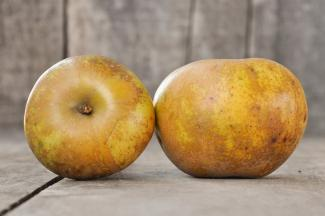
Another high acid apple but with a little better tannin than the Ashmead. It gave a very clean but tasty cider.
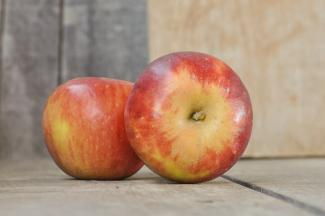
Gertie’s favorite apple. Winesaps are generally sweet apples but firm. They have a lot of uses around the kitchen and are fairly aromatic. The cider however was just okay. Watery, but not much like cider.
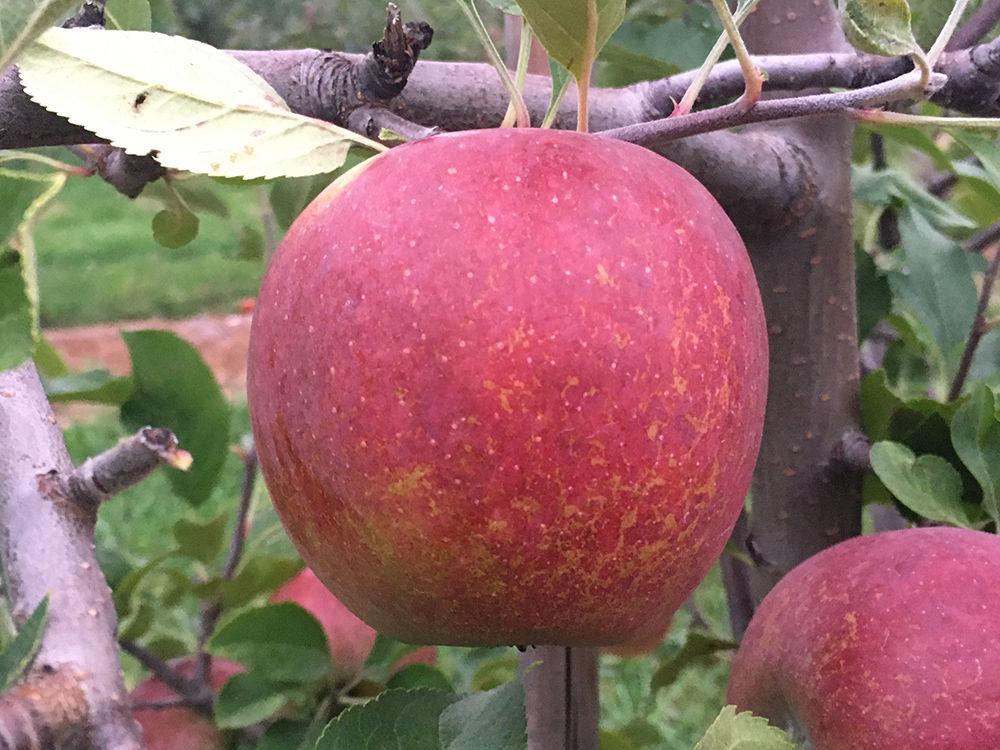
Unrelated to the Winesap, the winecrisp is a modern hybrid. It stores well and has good aromatics. But like the winesap, the cider was virtually the same as the winesap and much like water.
That said, the blend of 25% of each was pretty good!
My next steps are to try to get actual cider apples. First, I will buy more from my local person. Ashmead, Roxbury, Sundance, and Winesaps I think.
I am looking for sources for Dabinett, Somerset Redstreak, Kingston Black, White Pearmains, Medaille d’or, Michelin, and any red fleshed apples I can find.
If I can find Somerset Redstreaks, this would be pretty darn close to what a late period cider would have been like. White Pearmains are the oldest English apple we have reference to. I will also be looking to do keeving and perhaps pet nat for sparkling.
Another experiment would be to try to find the terrior. The same apple from different places, can we taste the difference? Let’s find out.
