First let me cover the Illusion of Certainty. I learned about this concept in some Human Resources training but it applies many places. Humans, and especially modern humans, like certainty. We want to be able to know things are true. And we want to give true statements. In HR, the example given was a project deadline. Manager: “Here is this project. When do you think it will be done?” Employee: “I can have it for you by the end of the week.” The Manager now has certainty on when the project will be done but it is an illusion. Much can happen before the end of the week. Maybe the project will experience mission-creep. Maybe a disaster will happen. But the employee can’t say “I don’t know when it will be done.” The employee wants to project certainty as well.
The other part of the illusion is that everything is knowable. We believe there are answers to all questions. You just have to look hard enough.
And lastly, once we know something, we tend to persist with that “fact”, regardless of new information.
This all has to do with brain chemistry and I don’t understand it well enough to explain it so let’s leave it as that. The brain likes to feel like it knows stuff and doesn’t like having to rewire itself unless it has to.
I had a great conversation with a Laurel yesterday (10/16/21). He had good things to say about my vinegars. He had positive and negative feedback, given in an approachable way. It was likely one of the more in-depth conversations I have had with a Laurel (outside of my own). Laurels who are reading this: you need to do this more often. You need to seek out artisans and have in-depth conversations with them. You do not need to know the subject area to provide feedback and challenge assumptions. This, to me, is what I wanted to have happen at the Tournament of Art in Jan 2020. Don’t wait! Have these conversations with everyone now!
One of the main things he said to me is “you are looked at as an expert. If you say something is a certain way, people will believe you.” I think what he forgot to say but was implied in the rest of the conversation is “you should make sure you are right.”
I sometimes don’t put the phrase “as far as I know” or “to date” or other qualifiers when I am asked questions about vinegar. I, just like everyone else, like to be right. I want to project certainty. I am very well aware that I don’t know all the answers. I am bit like Socrates here. I know that I don’t know. And in asking some of the questions, the asker wants certainty that doesn’t exist.
For instance, from the Virtual Cooks and Bards, I was asked by two separate Laurels, what the phrase “strong vinegar” means? I don’t know. I don’t know that anyone knows. There might be some archaelogical evidence out there that someone could analyze with X-ray diffraction or your favorite technique and tell us, “ah yes, strong vinegar was at least 10% acid by volume because we found residue in all of these medicinal cups.” I don’t have access to that. More to the point though, our medieval ancestors didn’t either. They didn’t really know about acetic acid until late. They didn’t have a way to measure % acidity as we do. They certainly didn’t know it was a bacteria turning their wines and ales into vinegar. We want certainty. We can’t have it.
What I did say is “my guess is that strong vinegar means undiluted wine vinegar.” Medieval people knew they could dilute vinegar (they did it often in drinks) and they probably knew wine vinegars were “stronger” than ale vinegars. That is a simple taste test. I am guessing. I often guess. It is an educated guess but a guess nonetheless.
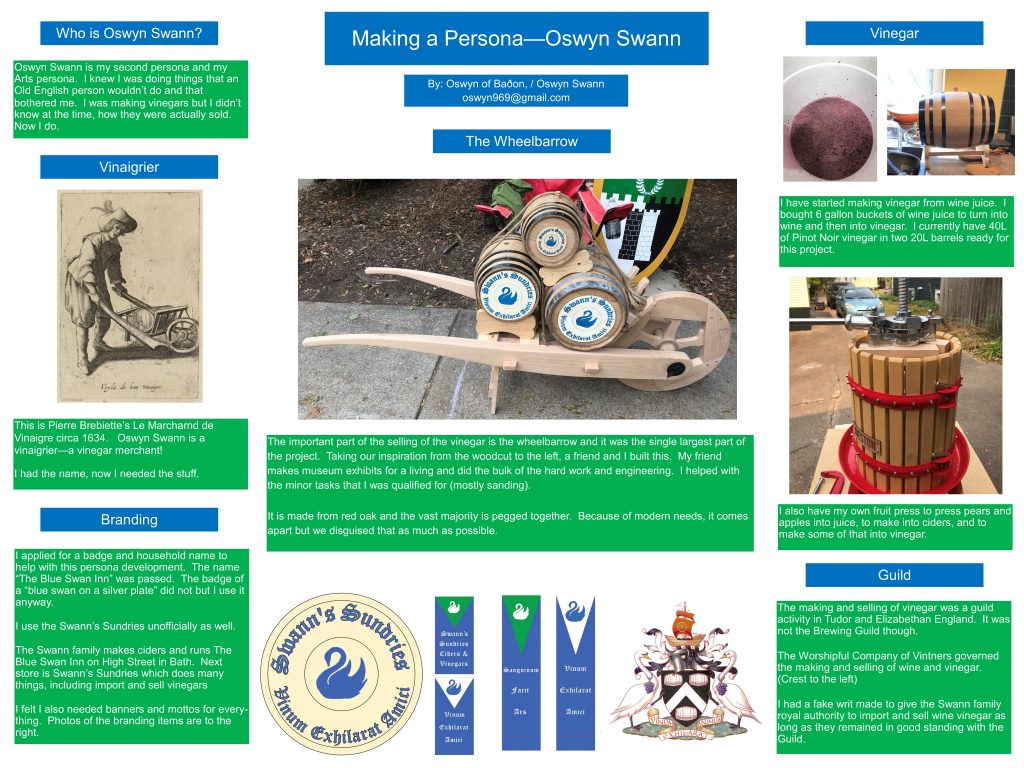
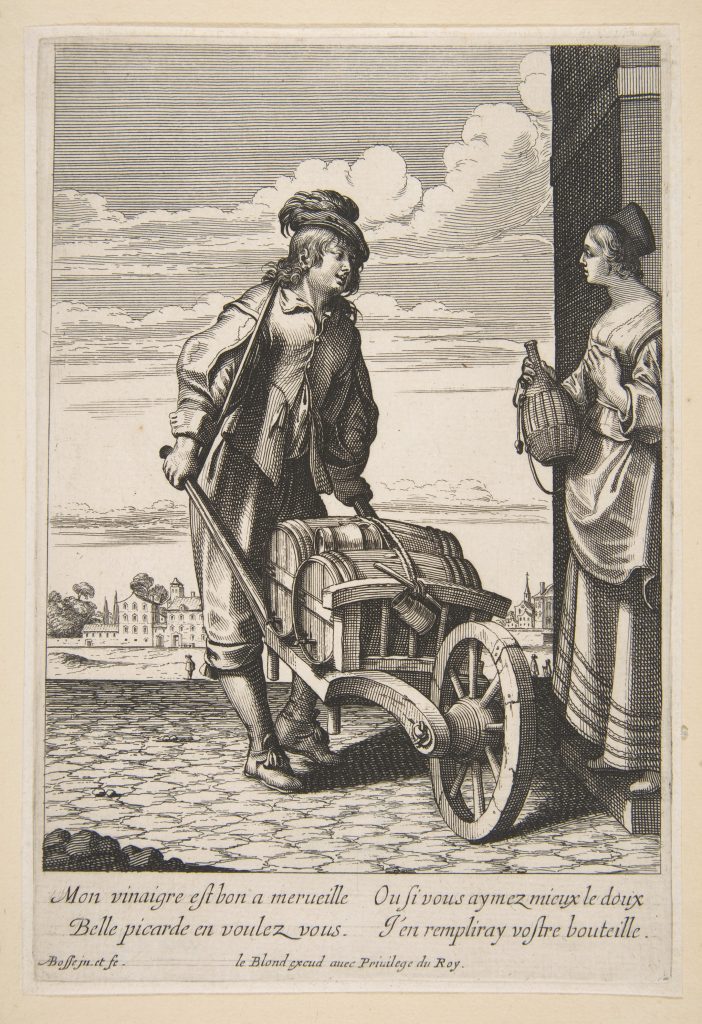
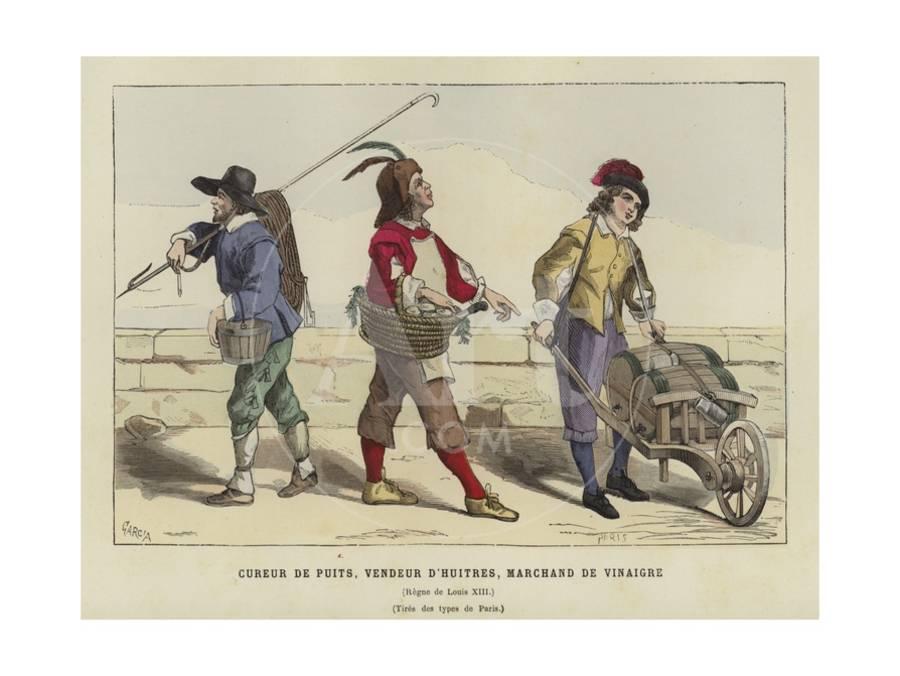
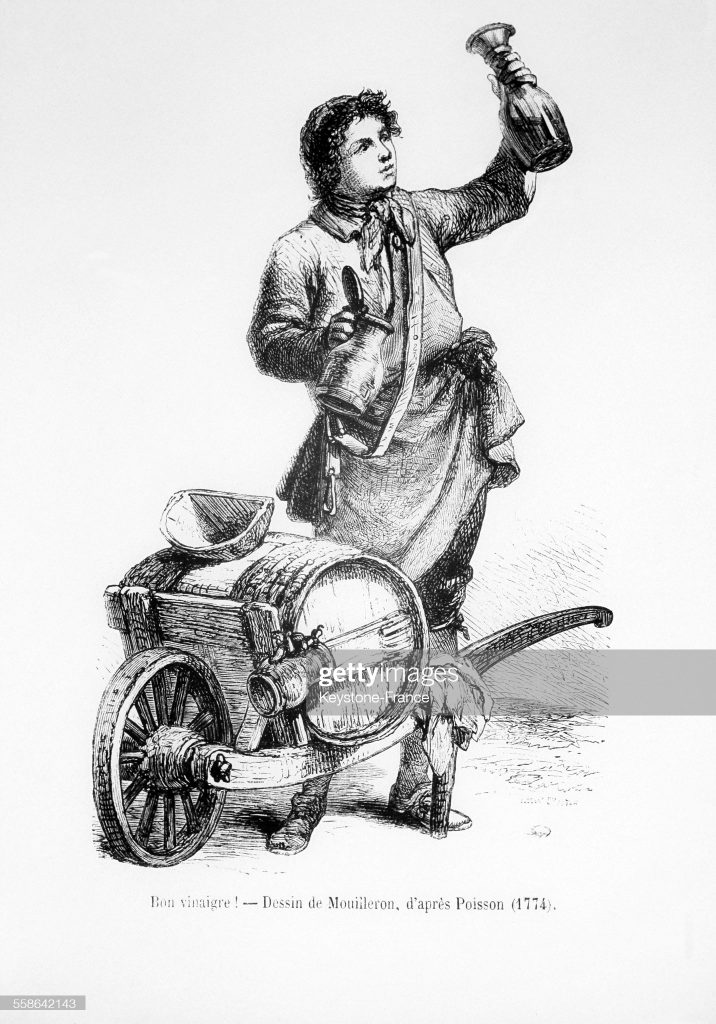
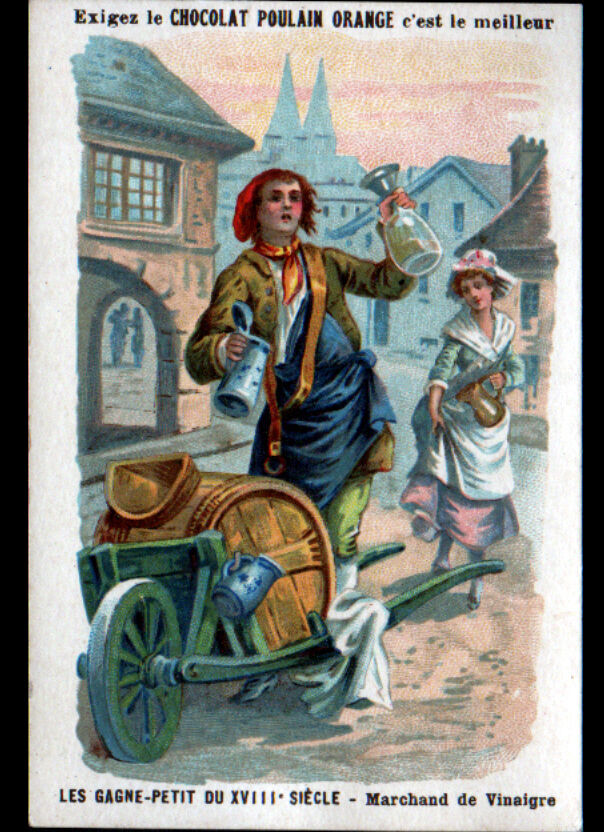
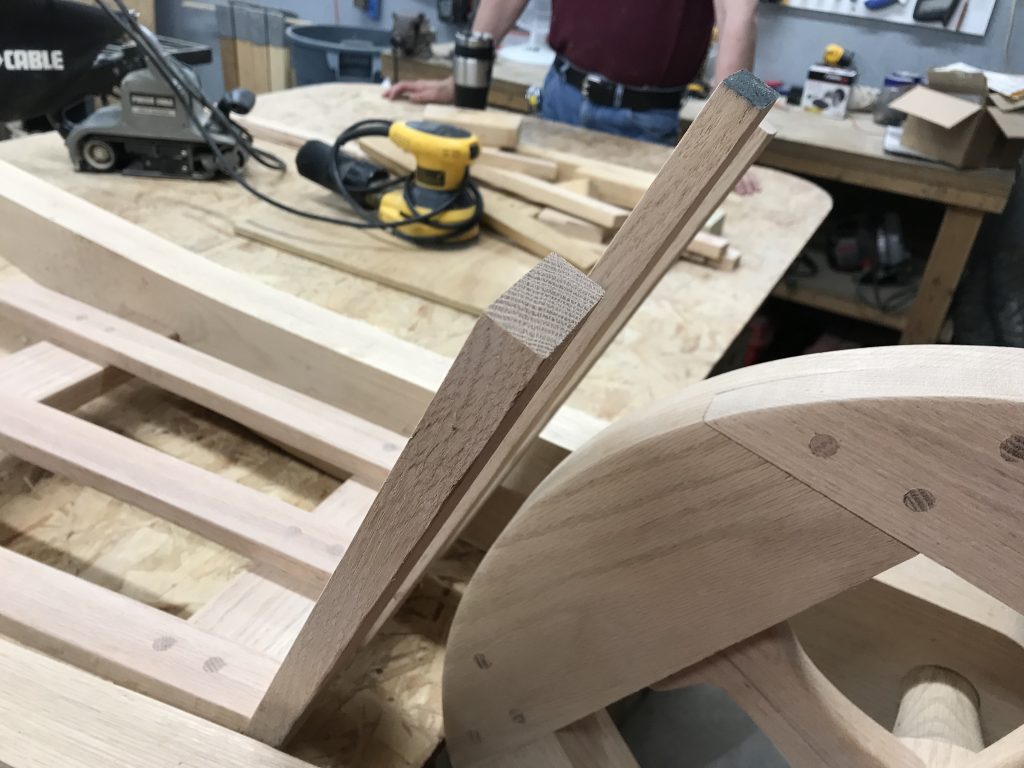
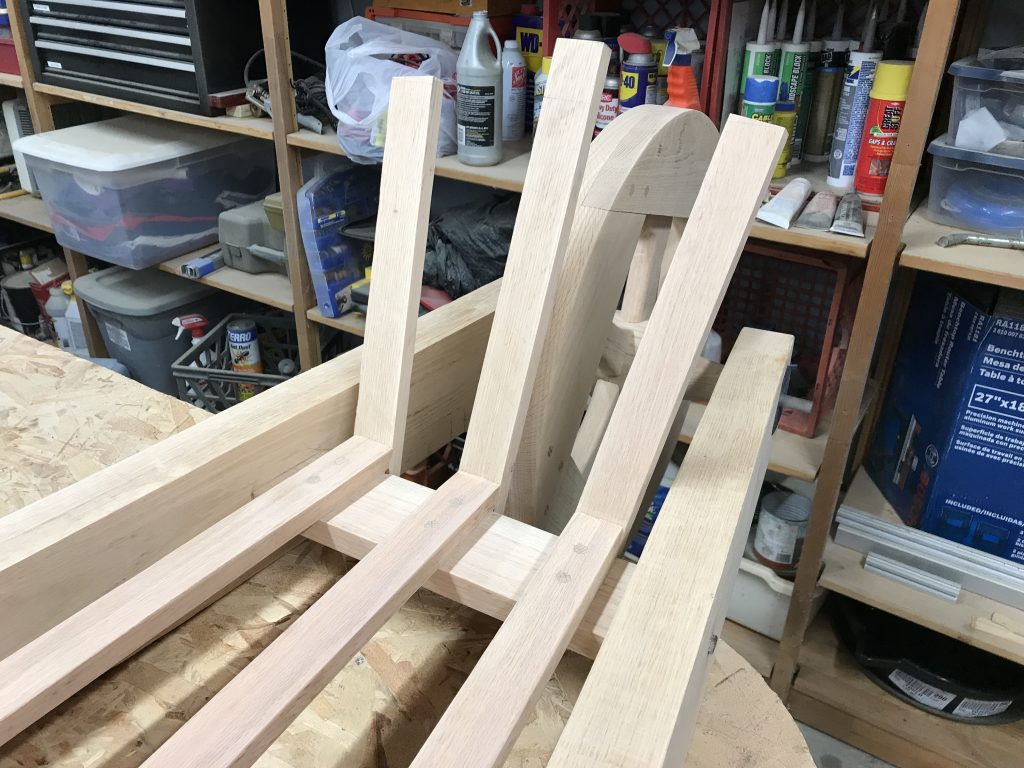
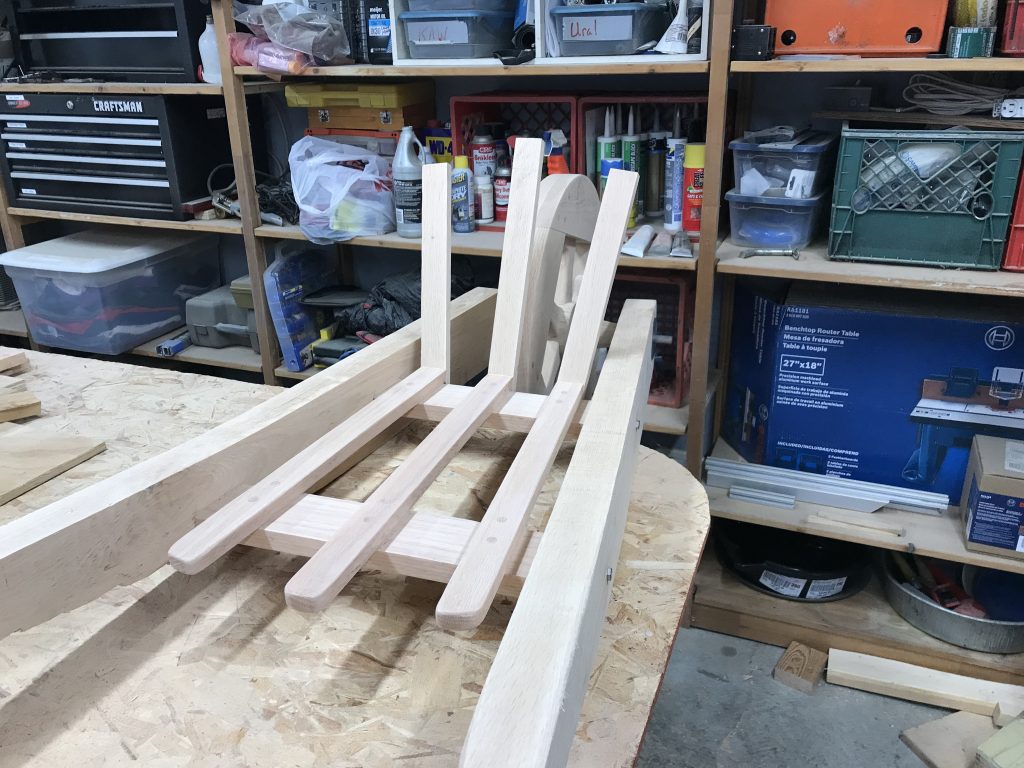
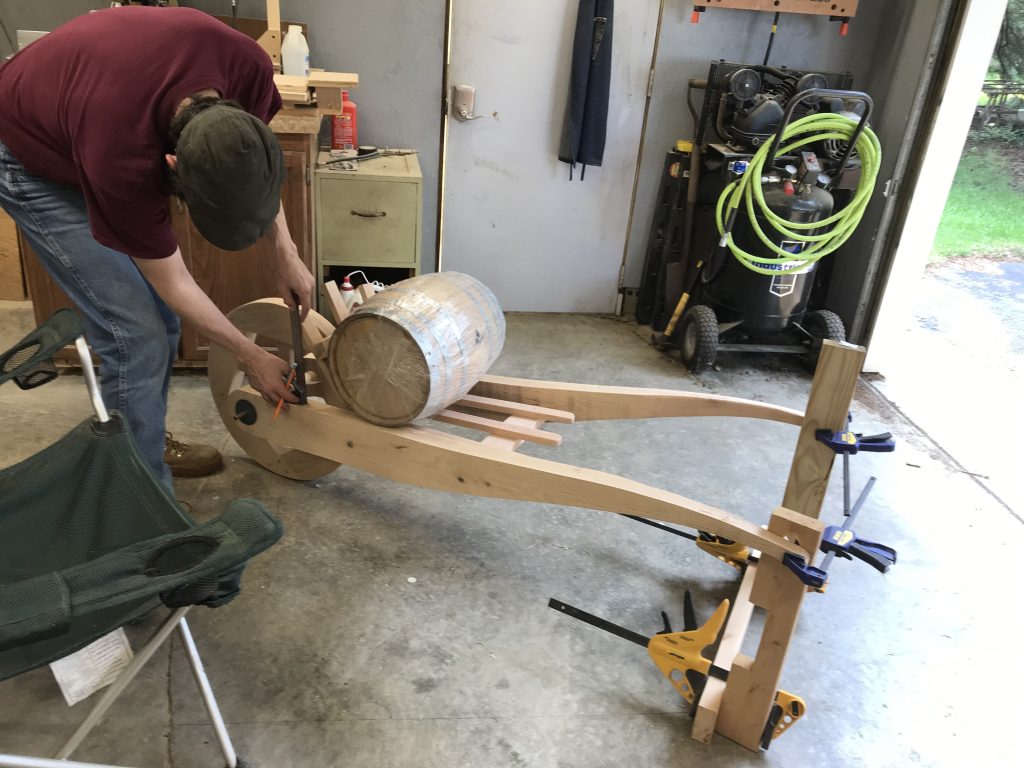
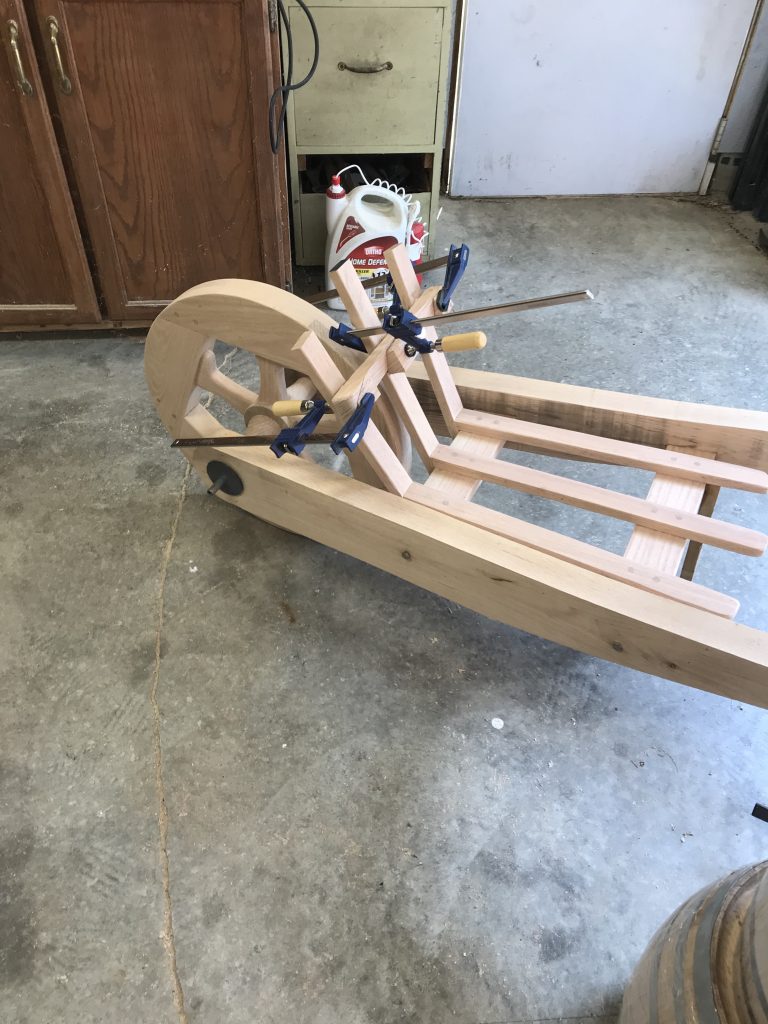
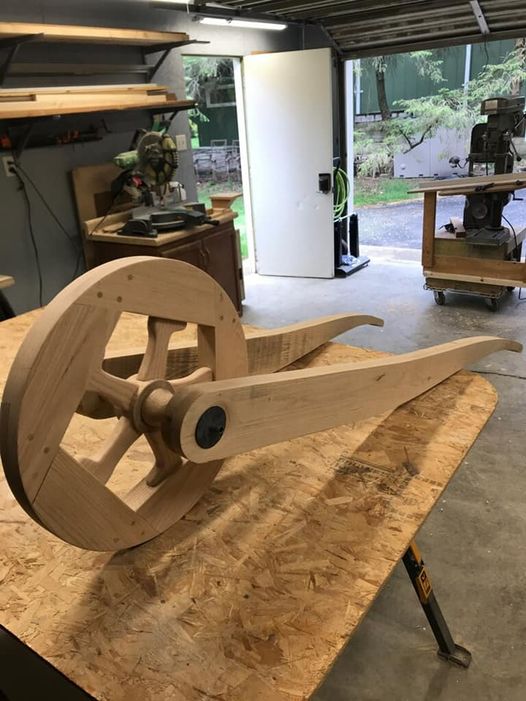
The main questions posed by this Laurel was one of research. “You have shown that people used wheelbarrows in France to sell vinegar. How can you say the same of England?” It was couched more in terms of my approach. Did I look for it and found nothing? What was my research process?
This discussion has occupied my brain for most of the last 24 hours.
My first impulse is “is this an important question?” Does it matter whether the English sold vinegar from wheelbarrows or not? If I did find evidence that they did, is that sufficient? For instance, if I find something that shows that someone in London did that, do I then need to find evidence that someone in Somerset did that? Do I need to go further and show that someone in Bristol did that? Ultimately, I decided that it was not an important question.
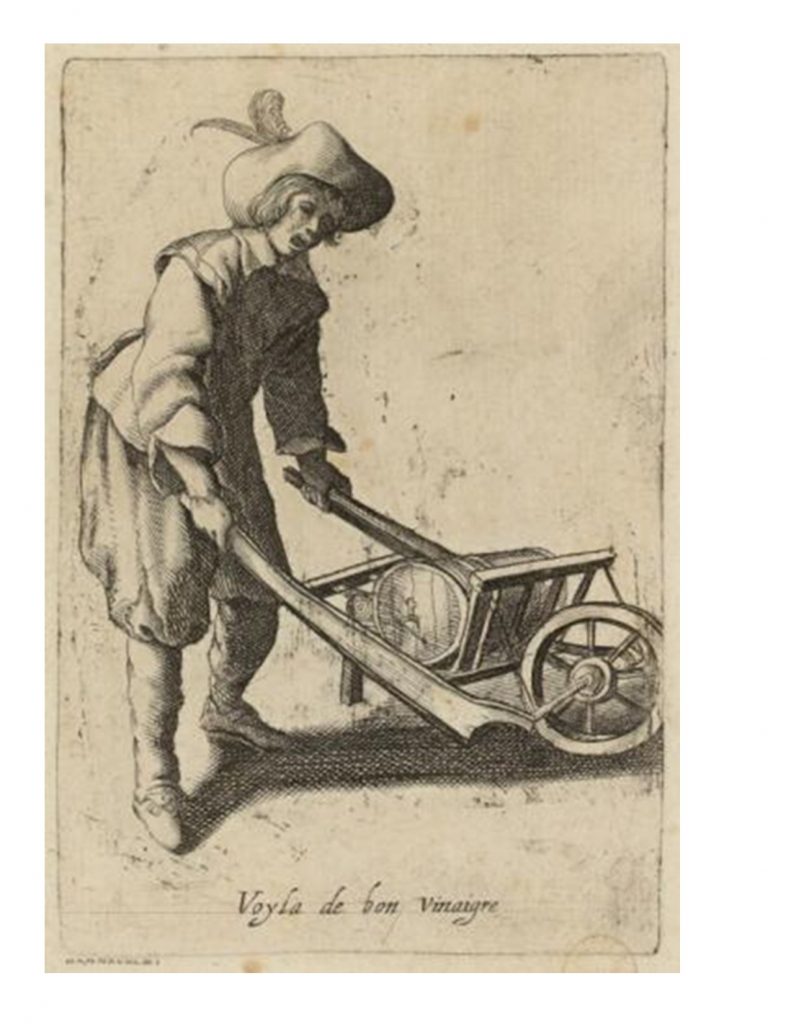
I did find this illustration
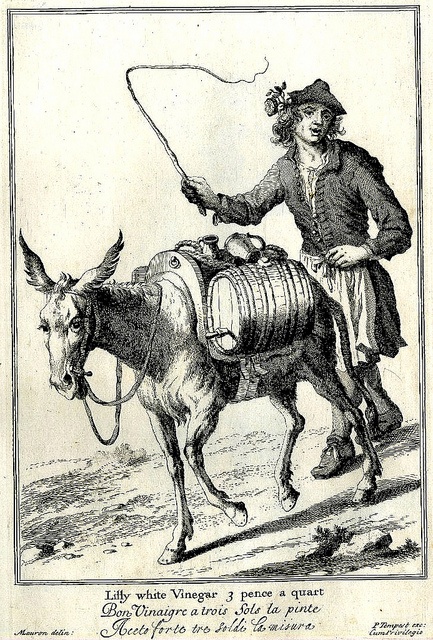
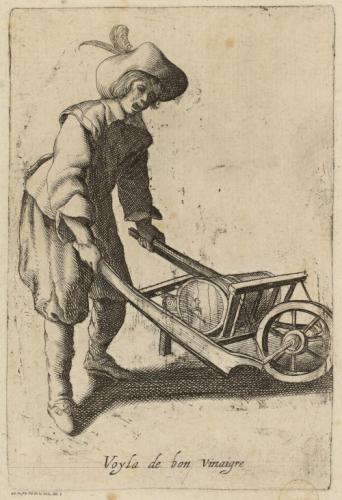
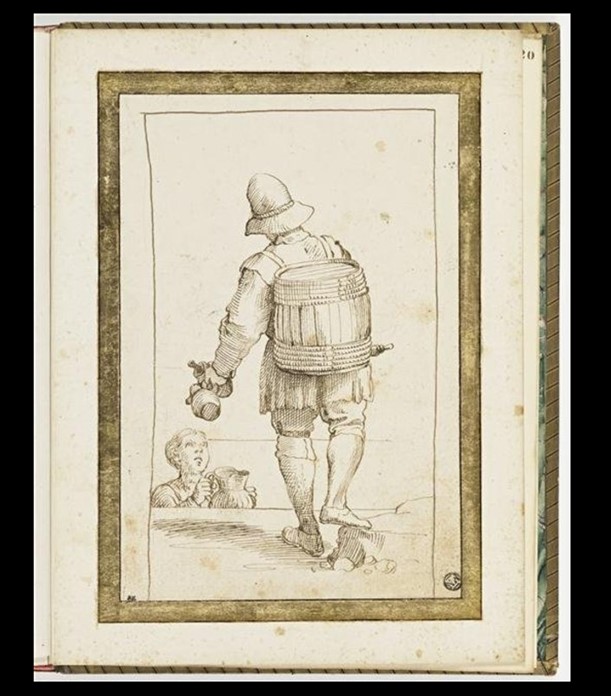
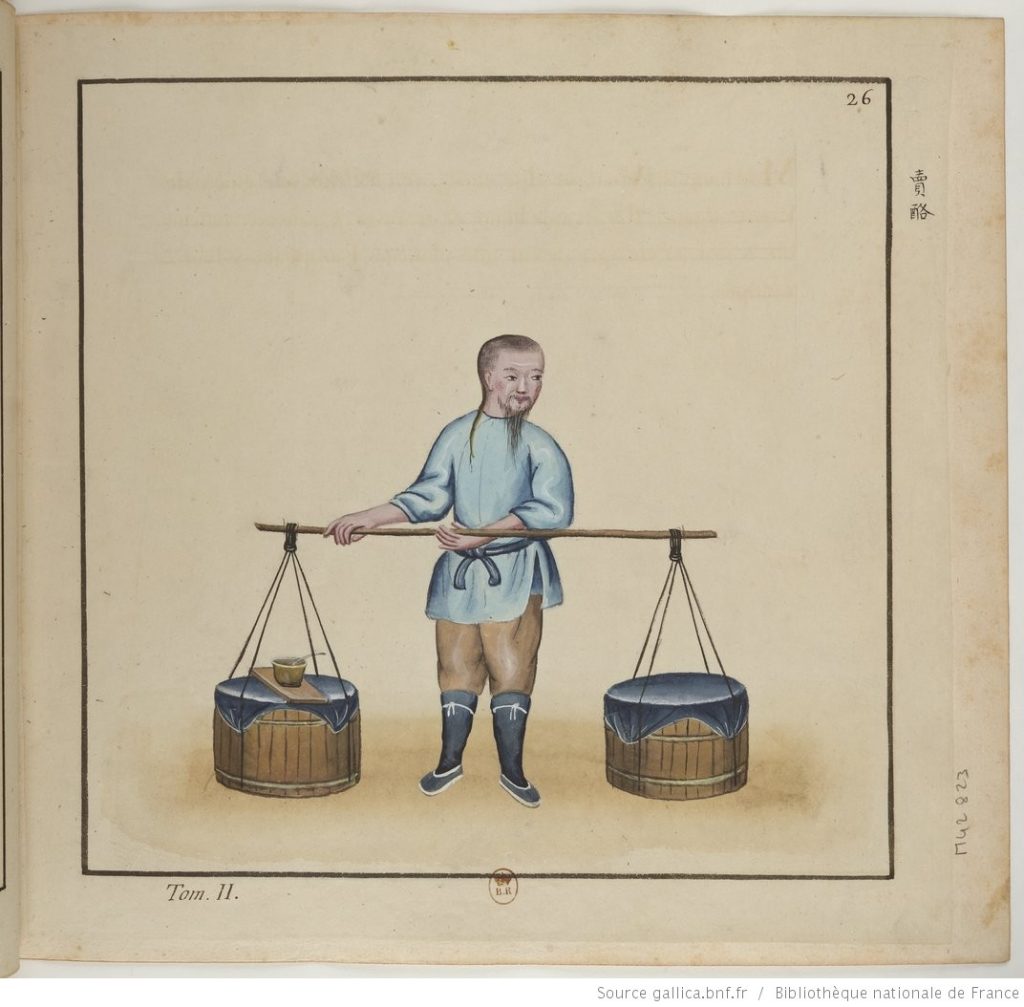
This is from the 1688 the Cries of London. What does this prove? That vinegar merchants in London sold vinegar via donkeys in 1688? Certainly this ONE did. But we also know that there were spice shops that sold vinegar. We know that people sold all manner of goods from carts. So, do we state that English vinegar sellers did not use wheelbarrows or carts? My earlier woodcuts show French sellers used wheelbarrows and at least one guy strapped the barrel to his back. Are those the two choices? Does 1688 tell us anything about 1500?
For the purist, 1688 tells us nothing about 1500. The evidence you found is what you can say. This illustration is out of period and shouldn’t count. Thinking long on this question, I am not a purist. I work more by intuition. Certainly if a French guy figured out he could use a wheelbarrow instead of his back, the English guy could have figured it out too. It is like the question of why do all pyramids look similar? Well the answer that makes the most sense is there are only so many ways to stack blocks and since people are mostly the same, they all figured out a similar answer.
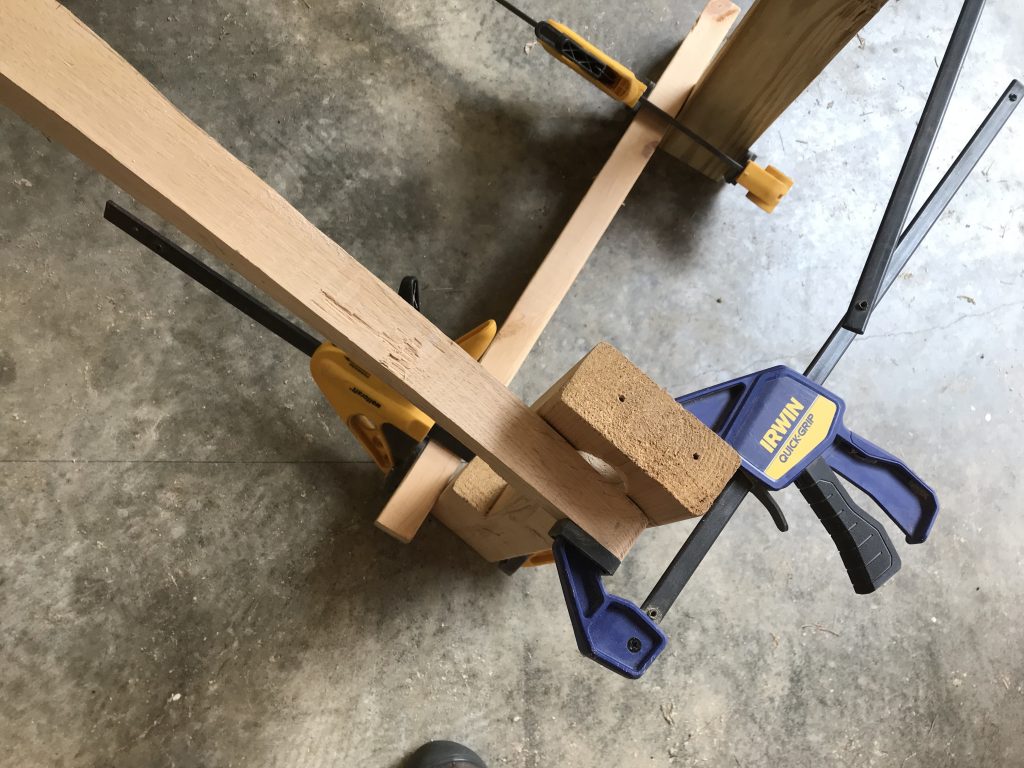
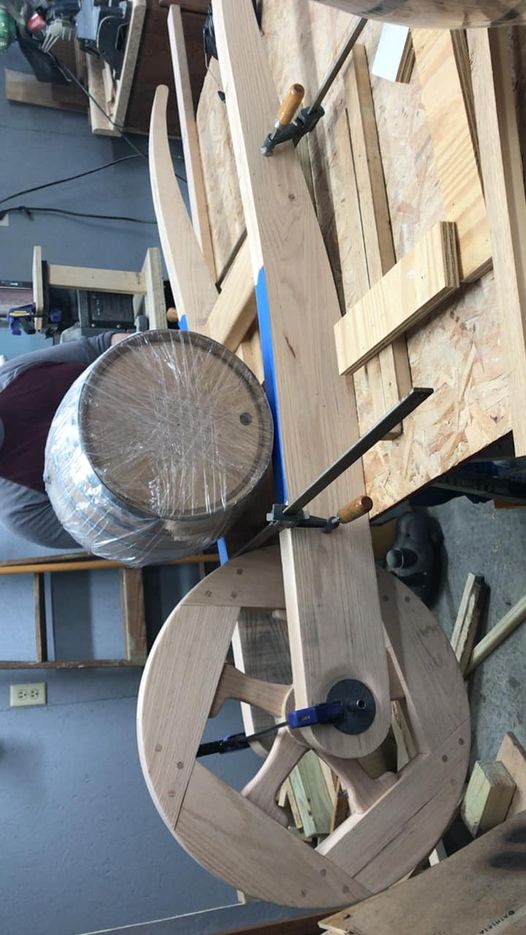
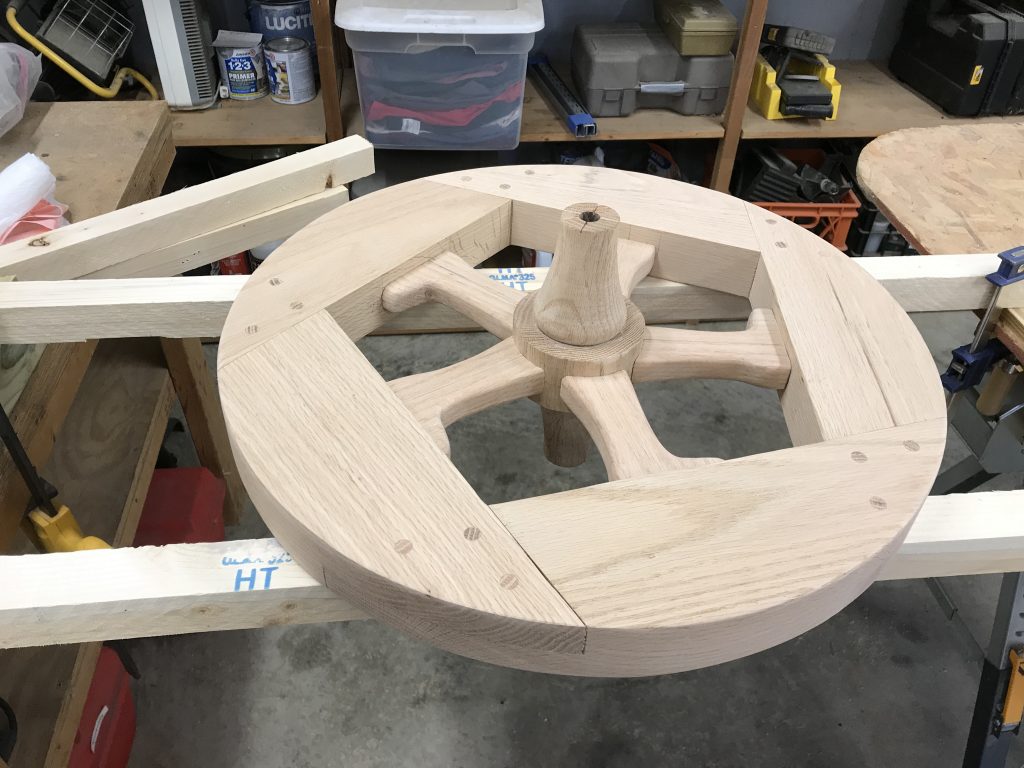
We know that there were many mobile vendors. Some probably used their backs, others a cart, others a wheelbarrow, and others a beast of some kind. There are only so many ways to move a 40 lb barrel around.
We chatted on Sunday as well and I showed him the 1688 illustration. To an extent, it verified that there were small sellers. So why were we having the conversation? I assumed people knew about things that I didn’t tell them. I didn’t include dates in my blog post (I did on my display printouts). And I tend to write more formally in class notes and documentation, which include references, than in these posts. I have since corrected my blog posts.
I was the expert and I didn’t connect the dots for the reader. I assumed you were in my head. I also assume there are like 5 people who read my blog and therefore I have a very limited audience.
One of the other things I realized is that I am an experimentalist, not a researcher. With cordials, I ran an experiment on the same cordial in different liquids. With meads, I ran an experiment with different honeys. With ciders, I ran an experiment with different yeasts. And with vinegars, I have made vinegar out of so many things that it in itself is a giant experiment.
An experimentalist is good with uncertainty. There are many variables. There are things that should work but don’t. Experimentalists are good with “this works but I don’t know how.” Researchers want to know the TRUTH. My Laurel friend is a researcher and I am sure he has a different opinion. It is a bit like Sheldon and Leonard in Big Bang Theory.
In doing brewing, cordials, and vinegars, I am less interested in being period accurate. Why? I can’t recreate the agriculture conditions that existed. If you want certainty that this is an authentic medieval English West Country cider, we need the apples that existed back then, grown in the same soil conditions, pressed with the same tools, etc and so forth. We can’t do it. Even someone with the right knowledge probably can’t do it. Can you reconstruct what the atmosphere was 1000 years ago? In a specific place? So it is all “good enough.”
I can make something similar to it. I can make something with modern apples using a period process. The experimental approach is why I like what I am doing. It allows me to do what I call “a step back.”
You start with an entirely modern process. Then you take a “step back” to make it less modern. Let’s say you start making apple cider with frozen concentrate. You then take a step back to sweet cider. You then take a step back to pressing apples. You then take a step back to find apples that are like the medieval ones. You then can take a step back to plant your own trees of those apples. You can also make a medieval cider press and learn to brew in casks instead of glass carboys, etc. You go back as far as your willingness (and money and space) allow. At any point in the process, you can say “good enough.”
When I do research, I do look for certainty. Those are often a challenge from someone to something I think I know. Balsamic vinegar is an example. I have been challenged a few times “is balsamic vinegar period?” For a given value, yes it is. The trouble is no one used that word until the 1700s. I had to find references and other opinions that the Duke’s special vinegar is likely balsamic vinegar but the truth is we will never know. It was a secret. The growing of those grapes more than likely changed significantly. The soil conditions might be very different now. The real answer is “no.” The modern balsamic vinegar isn’t period. It can’t be. Nothing modern can be the same as it was 1000 years ago. The answer to the actual question being asked “did they have something like balsamic vinegar in period?” The answer is absolutely yes. You don’t give an emperor a gift of vinegar unless it was something truly special.
When I do classes on my history, we can be more certain. But making something to mirror a medieval process, we must be okay with uncertainty. If for no other reason, the people writing stuff down didn’t include stuff that we might think was important.
I had several more conversations and more to come over the next few days. I am pleased I made an impression on at least one individual. I am pleased to learn about things I need to work on. You eat crow as you eat anything else, one bite at a time. I am tired too. Crown tournament was 100% not about me yet I am as tired as if I had fought to the finals and lost. As I often tell my therapist, it is unfortunate that life is lived in first person. We would have much more understanding of each other in a different point of view.